
Women Who Built History / A Tribute for Women’s History Month
About
As this month comes to an end, we want to take a moment to honor the incredible contributions of women in construction—trailblazers who defied barriers, shaped history, and continue to drive progress in our industry. From the earliest recorded female builders to modern-day pioneers, their dedication and resilience have left a lasting impact.
a look back
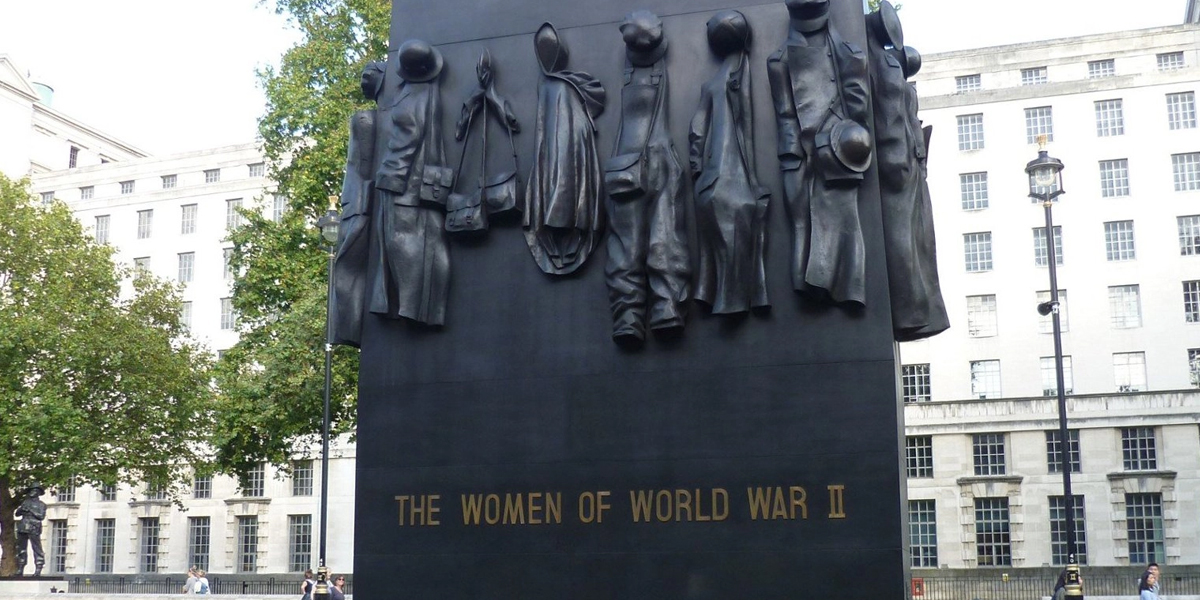
The history of women in construction dates back centuries, with records from 13th-century Spain noting their contributions—though often unnamed. Women played crucial roles during the Industrial Revolution and wartime, stepping in to build and repair infrastructure when men were called to battle. One such moment was the rebuilding of London’s Waterloo Bridge during WWII, dubbed the “Ladies’ Bridge” for the high number of women who worked on it.
pioneers
Elsie Eaves (1898-1983)
A structural engineer who made significant contributions to major infrastructure projects like the Hoover Dam. She was the first woman elected to the American Society of Civil Engineers and served as president of the Society of Women Engineers.
Lady Elizabeth Wilbraham (1632-1705)
Considered to be the first female architect in the UK. During the seventeenth century, women could not have a profession. Historians claim that she could have contributed to more than 400 buildings during her lifetime while using male architects to take credit for the work.
Lillian Moller Gilbreth (1878-1972)
A pioneer in what is now known as industrial and organizational psychology. She helped industrial engineers recognize the importance of the psychological dimensions of work. In addition, she became the first American engineer ever to create a synthesis of psychology and scientific management.
Elsie Eaves (1898-1983)
A structural engineer who made significant contributions to major infrastructure projects like the Hoover Dam. She was the first woman elected to the American Society of Civil Engineers and served as president of the Society of Women Engineers.
The Ladies of Waterloo Bridge
These courageous women stepped into construction roles during WWII, proving their skills in an industry that had long excluded them. claiming almost 65% of the workers on the bridge to be women Their legacy remains an inspiration.
How Far we've come
With landmark legislation like the Civil Rights Act (1964) and Affirmative Action (1965), opportunities for women in construction expanded. Organizations dedicated to supporting women in the industry have helped provide networking, education, and advocacy, paving the way for increased representation.
join the convo
We encourage everyone to take part in our upcoming discussions, mentorship programs, and training sessions to continue making Samet a leader in workplace inclusivity. Thank you to all the women in our company and beyond who continue to break barriers and build a brighter future.
Together, we build more than just structures—we build opportunities and equity for all.